If you experience leg pain when walking, numbness in your feet, or wounds that take longer than expected to heal, it may be a sign of peripheral artery disease (PAD). PAD occurs when arteries narrow or become blocked, limiting blood flow to your legs. Without proper circulation, your muscles and tissues may not receive enough oxygen, which can affect your comfort, mobility, and overall health. The good news is that PAD can often be diagnosed early and treated with minimally invasive solutions that restore blood flow and improve daily life.
At Valley Interventional Associates, Dr. John Lee and Dr. Navin Budhwani specialize in diagnosing and treating PAD using advanced imaging and endovascular techniques. Their patient-focused approach helps ensure you receive accurate answers and a personalized care plan designed to improve circulation and long-term vascular health.
What Is Peripheral Artery Disease (PAD)?
Peripheral artery disease is a condition that affects the arteries outside of the heart and brain, most commonly in the legs. It is typically caused by a buildup of plaque within the artery walls, a process known as atherosclerosis. As arteries narrow, blood flow becomes restricted, making it harder for your body to function normally.
PAD can develop gradually, which is why many people may not recognize the early signs. Left unaddressed, it can progress to more serious circulatory problems.
Signs and Symptoms of PAD
Symptoms of PAD can vary depending on how much blood flow is reduced. Common signs include:
- Leg pain or cramping when walking that improves with rest
- Weakness or heaviness in the legs
- Coldness in the lower legs or feet
- Shiny or discolored skin
- Slow-healing wounds or ulcers on the feet or legs
If you notice any of these symptoms, a vascular evaluation can help determine the cause and guide next steps.
How Is PAD Diagnosed?
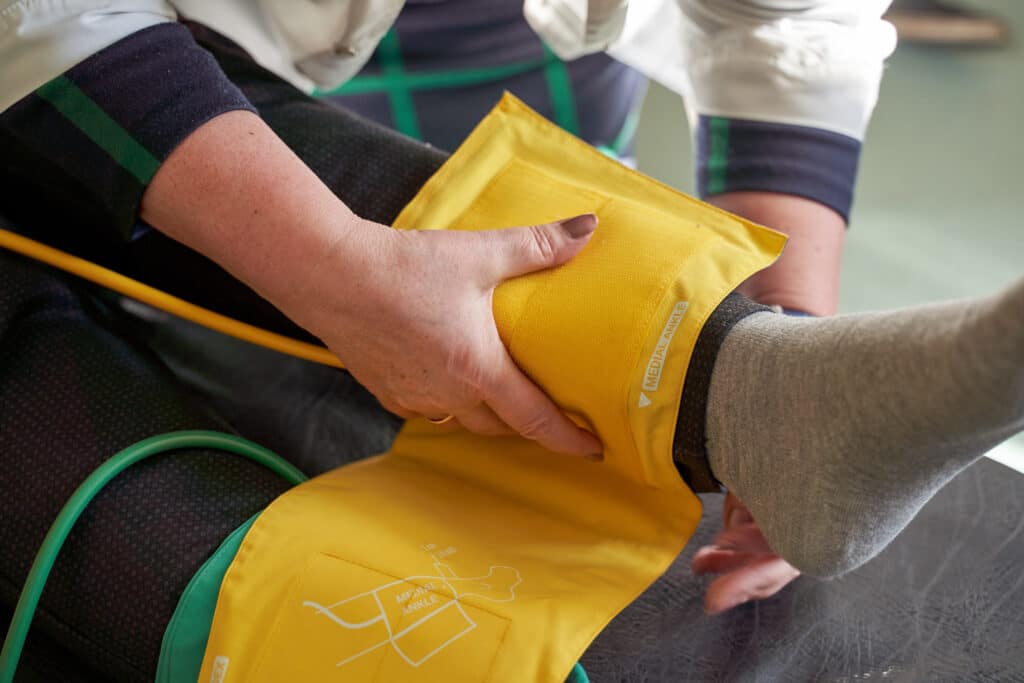
Accurate diagnosis is essential to understanding your condition and planning treatment. At Valley Interventional Associates, several advanced tools may be used to evaluate circulation, including:
- Vascular ultrasound to assess blood flow
- Peripheral angiogram to identify blockages in the arteries
- Additional imaging when needed to better understand your vascular health
These tests allow your doctor to pinpoint the location and severity of any narrowing or blockage.
Treatment Options for PAD
Treatment focuses on improving circulation and reducing symptoms. Many patients benefit from minimally invasive procedures that restore blood flow without the need for open surgery. Options may include:
- Peripheral angioplasty to open narrowed arteries
- Stenting to help keep arteries open
- Ongoing monitoring and care to support long-term vascular health
Because these treatments are often performed in an office-based lab setting, you can expect a more convenient and streamlined experience.
Why Choose Valley Interventional Associates for PAD Care?
- Board-certified interventional cardiologists with specialized vascular expertise
- Advanced imaging technology for precise diagnosis and treatment planning
- Minimally invasive procedures performed in a comfortable, office-based setting
- A one-stop destination for vascular care, including angiograms, angioplasty, venous treatment, ultrasound, and wound care
- Personalized care focused on improving circulation and quality of life
Take the Next Step Toward Better Circulation
Peripheral artery disease can impact your daily life, but effective treatment starts with understanding your symptoms and exploring your options. Valley Interventional Associates provides comprehensive vascular care in Oakland and Wayne, NJ, helping you restore blood flow and move forward with confidence. To learn more, contact our team at (973) 692-0033.