
When narrowed or blocked arteries reduce circulation in your legs, you may notice pain, cramping, or even wounds that don’t heal properly. A peripheral angioplasty is a minimally invasive procedure that opens up these arteries, improving blood flow and helping you move more comfortably. For many people, it can mean the difference between ongoing pain and the freedom to walk without discomfort.
At Valley Interventional Associates, Dr. John Lee and Dr. Navin Budhwani use advanced endovascular techniques to perform angioplasty procedures safely and effectively. Their experience and patient-focused approach ensure you receive the care you need to protect your vascular health.
What Is a Peripheral Angioplasty?
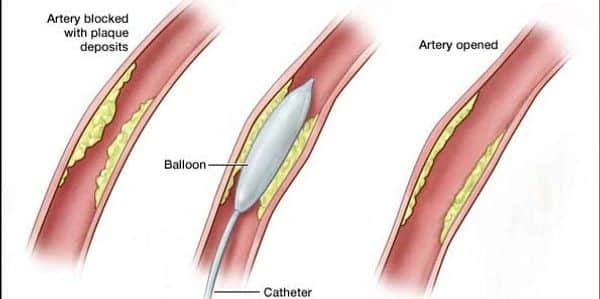
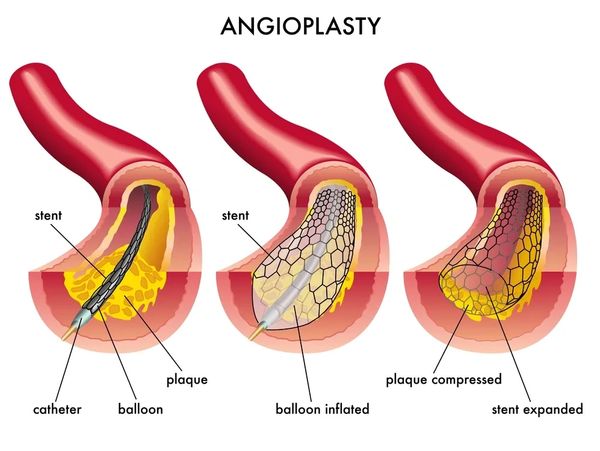
Peripheral angioplasty is a procedure designed to widen narrowed arteries in your legs or arms. Using a catheter, your doctor threads a tiny balloon or stent to the site of the blockage. The balloon is inflated to open the artery, and in many cases, a stent is placed to help keep the artery open.
This treatment helps restore circulation, relieve pain, and prevent serious complications such as ulcers or limb ischemia.
Benefits of Peripheral Angioplasty
- Restores healthy blood flow to your legs or arms
- Reduces pain and discomfort caused by poor circulation
- Minimally invasive, performed through a small catheter
- Quick recovery time compared to traditional surgery
- Helps prevent long-term complications, including tissue damage
The Peripheral Angioplasty Process
- A catheter is inserted into a blood vessel, often through the groin or foot.
- A balloon-tipped device is guided to the narrowed area.
- The balloon is inflated to open the artery, and a stent may be placed for support.
- Blood flow is restored, and imaging confirms the results.
The procedure is usually completed on an outpatient basis, meaning you can return home the same day.
Recovery and Results
Most people recover quickly after a peripheral angioplasty. You may need to rest for a few hours before going home, but you can often return to your normal activities within a day or two. Many patients notice an immediate improvement in circulation and relief from pain.
Why Choose Valley Interventional Associates for Peripheral Angioplasty?
- Experienced interventional cardiologists with specialized vascular training
- Access to state-of-the-art imaging and endovascular technology
- Minimally invasive treatments designed to improve your quality of life
- A comprehensive vascular care center offering angioplasty, angiograms, venograms, wound care, and ultrasound services
- Compassionate providers who focus on your individual needs and long-term health
Take the Next Step Toward Better Circulation
Peripheral angioplasty can give you lasting relief from the pain and risks of poor circulation. At Valley Interventional Associates in Tri-state area, you’ll find expert care and minimally invasive solutions—all in one location. To learn more, contact our team today at (973) 692-0033.
FAQs
Peripheral angioplasty is commonly used to treat peripheral artery disease (PAD), a condition caused by narrowed arteries in the legs. Signs of PAD may include leg pain while walking, cramping that improves with rest, cold feet, slow-healing wounds, or changes in skin color. Some people experience mild symptoms at first, which is why circulation testing and early evaluation are important if you have risk factors such as diabetes, high blood pressure, high cholesterol, or a history of smoking.
Peripheral angioplasty is not open surgery. It is a minimally invasive endovascular procedure performed through a small catheter inserted into a blood vessel. Because there are no large incisions, recovery is typically faster than traditional bypass surgery. Many patients are treated on an outpatient basis and return home the same day.
The length of the procedure depends on the severity and location of the blockage. In most cases, peripheral angioplasty is completed within one to two hours. Your vascular specialist monitors blood flow throughout the procedure using advanced imaging to ensure accurate placement of balloons or stents.
Peripheral angioplasty is usually performed with local anesthesia. In some cases, mild sedation is offered to help you relax. Your care team will review your comfort options beforehand and explain what to expect so you feel prepared and informed.
Many patients notice improved circulation soon after the procedure, especially if leg pain was caused by restricted blood flow. Increased walking distance, reduced cramping, and warmer feet are common signs that circulation has improved. Your doctor will also monitor long-term outcomes and discuss lifestyle steps to support lasting arterial health.
If a stent is placed during angioplasty, it is designed to remain permanently in the artery. Stents help support the artery walls and maintain blood flow. Long-term success depends on factors such as managing cholesterol, controlling diabetes, quitting smoking, and maintaining regular follow-up care.
Yes, peripheral angioplasty procedures are perfectly safe in an office-based lab setting. This environment offers shorter wait times, streamlined care, and direct access to your vascular specialist. Office-based labs provide advanced imaging and catheter-based technology similar to hospital settings while allowing for a more personalized experience.
In some cases, restoring blood flow through angioplasty may help reduce the risk of severe circulation complications that can threaten tissue health. Early improvement in circulation is important for wound healing and limb preservation in patients with advanced PAD.
You may be a candidate if you have confirmed arterial blockages causing leg pain, reduced mobility, or slow-healing wounds. A vascular evaluation, often including ultrasound or angiogram imaging, helps determine whether angioplasty is the right treatment for your specific condition.