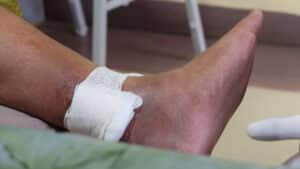
A sore on your foot, ankle, or leg should gradually improve with the right care. When it doesn’t, poor blood flow may be one reason your body cannot bring enough oxygen and nutrients to the area. This can happen with peripheral artery disease, diabetes, vein disease, or other circulation problems.
At Valley Interventional Associates in Oakland, New Jersey, Dr. John Lee, MD, and Dr. Navin Budhwani, MD, treat vascular conditions with diagnostic imaging, minimally invasive procedures, and wound care in one location. With their expertise in cardiology, they can evaluate whether your slow-healing wound is connected to a circulation problem and guide you through vascular wound care.
Why Circulation Matters for Wound Healing
Your body needs steady blood flow to repair tissue. Blood carries oxygen, nutrients, immune cells, and healing factors to an injured area. When circulation drops, even a small cut can linger or worsen.
Poor circulation can also make it harder for the body to fight bacteria. That raises the risk of infection, tissue damage, and, in severe cases, amputation. A wound that stays open for weeks needs medical evaluation.
Signs Your Wound May Be Related to Blood Flow
With a circulation-related wound, you may notice symptoms such as:
- Slow healing: The wound does not improve after several days or weeks.
- Leg or foot pain: Pain may worsen with walking or when lying down.
- Skin color changes: The skin may look pale, bluish, reddish, or darker than usual.
- Cool skin: One foot or leg may feel cooler than the other.
- Drainage or odor: Fluid, pus, or a bad smell may point to infection.
- Swelling: Ongoing swelling can strain the skin and slow repair.
- Numbness or tingling: Nerve changes, especially with diabetes, can make wounds easier to miss.
These signs don’t always mean you have a serious vascular condition, but you should still get checked by a medical professional.
How Vascular Wound Care Can Help
Vascular wound care involves looking at the wound and determining why it isn’t healing.
Your care may include ultrasound or angiogram testing to check blood flow. When a blocked or narrowed artery contributes to the wound, a minimally invasive treatment such as angioplasty or stenting may help restore circulation.
Some patients also need wound debridement, compression guidance, infection care, or follow-up visits to monitor healing.
Schedule a Visit for Wound Care in Oakland, New Jersey
Valley Interventional Associates offers vascular care and wound care in one office-based setting in Oakland, New Jersey.
Contact us or call 973-692-0033 to schedule a visit with our accomplished cardiologists.