
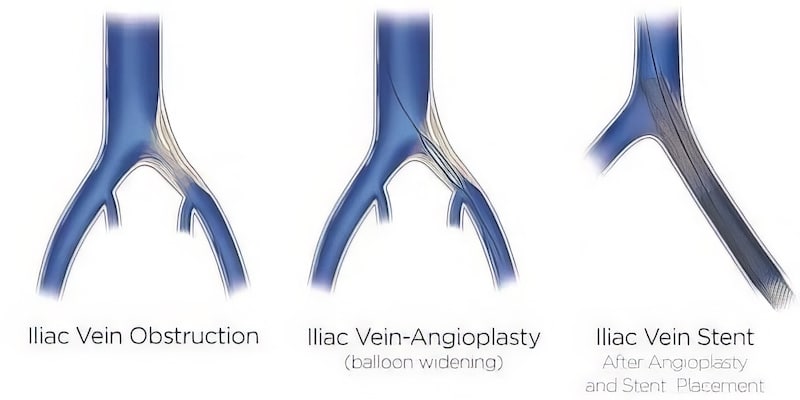
If you’ve been dealing with leg swelling, discomfort, or unexplained pain, the issue may be related to your veins. A peripheral venogram is a specialized imaging test that shows how blood flows through your veins, helping your doctor detect clots, blockages, or other abnormalities. With this information, your care team can create a treatment plan that improves circulation and relieves your symptoms.
At Valley Interventional Associates, Dr. John Lee and Dr. Navin Budhwani perform venograms using advanced technology in a safe, minimally invasive way. Their expertise ensures that you receive an accurate diagnosis and a clear path forward.
What Is a Peripheral Venogram?
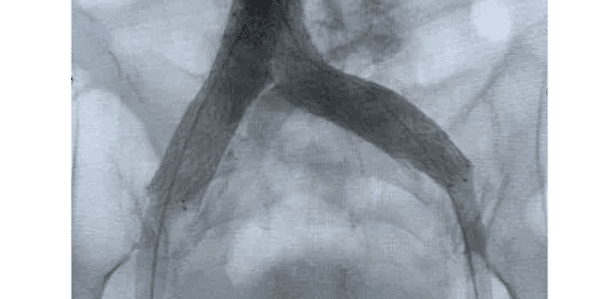
A peripheral venogram uses contrast dye and X-ray imaging to visualize your veins, most often in your legs. By tracking the flow of the dye, your doctor can pinpoint where circulation slows or stops due to:
- Blood clots
- Narrowed veins
- Abnormal vein structure
- Chronic venous disease
Benefits of a Peripheral Venogram
- Gives your doctor a clear view of vein function
- Detects clots and blockages that may otherwise go unnoticed
- Helps guide treatment decisions for venous disease
- Minimally invasive with same-day recovery
- Provides peace of mind by identifying the source of your symptoms
Benefits of a Peripheral Venogram
- Gives your doctor a clear view of vein function
- Detects clots and blockages that may otherwise go unnoticed
- Helps guide treatment decisions for venous disease
- Minimally invasive with same-day recovery
- Provides peace of mind by identifying the source of your symptoms
The Peripheral Venogram Process
- A small catheter is inserted into a vein.
- A contrast dye is injected, making the veins visible on X-ray images.
- Your doctor reviews the images in real time to identify areas of concern.
- Based on the results, a treatment plan may be recommended right away.
The test is typically performed on an outpatient basis, and you can return home the same day.
Recovery and Results
You’ll likely need to rest for a short time after the procedure, but most people resume normal activities quickly. Results are available immediately, allowing your doctor to explain what was found and discuss treatment options if necessary.
Why Choose Valley Interventional Associates for Peripheral Venograms?
- Specialists with advanced training in vascular imaging and interventions
- Access to the latest technology for precise and timely results
- Comprehensive care in one location, including venograms, angiograms, angioplasty, wound care, and ultrasound
- A patient-centered team dedicated to helping you improve circulation and reduce symptoms
Take the Next Step Toward Better Circulation
If leg swelling, discomfort, or vein problems are affecting your daily life, a peripheral venogram can provide the answers you need. At Valley Interventional Associates in Oakland, NJ, you’ll receive expert care and advanced imaging all in one convenient location. To learn more, contact our team today at (973) 692-0033.
FAQs
A vascular ultrasound is often the first step in evaluating vein problems and uses sound waves to assess blood flow. A venogram provides a more detailed view by using contrast dye and X-ray imaging, allowing your doctor to see vein structure and blockages with greater precision when ultrasound results are unclear or symptoms persist.
Your doctor reviews the images right away to identify any vein abnormalities. Once the results are available, you will discuss what was found and whether additional care or treatment is recommended. This allows for faster decision-making and fewer delays in care.
Yes. A peripheral venogram is one of the most accurate methods for diagnosing venous thrombosis. It shows exactly where blood flow is restricted, helping your doctor confirm whether a clot is present and determine the best treatment approach.
Most venograms are completed in a short appointment, often less than an hour. Because the procedure is performed on an outpatient basis, you can typically return home the same day without a hospital stay.
Most people tolerate a venogram very well. You may feel brief pressure at the catheter site or a warm sensation when contrast dye is injected. Fortunately, the procedure is minimally invasive and designed to keep you as comfortable as possible.
If your venogram identifies a blockage, clot, or other vein issue, your doctor can review the results with you right away. In many cases, the findings help guide next steps such as vein treatment, medication management, or additional minimally invasive procedures, all coordinated through the same care team.
At Valley Interventional Associates, venograms are performed in an office-based lab rather than a hospital. This setting allows for faster scheduling, a more comfortable environment, and direct access to your vascular specialist while still providing advanced imaging and high standards of care.
Depending on your specific situation, you may be advised to arrange transportation after your procedure. Your care team will review post-procedure instructions with you in advance so you can plan accordingly.
You may benefit from a venogram if you have chronic leg swelling, unexplained leg pain, skin changes, or a history of vein disease. It is also a good idea when symptoms interfere with daily activities, or when an accurate diagnosis is needed before treatment.
Depending on the results, your doctor may recommend further imaging or treatment. In many cases, a venogram provides enough information to proceed with a clear care plan without the need for additional tests.
Office-based vein imaging offers convenience, efficiency, and personalized care. You benefit from faster scheduling, streamlined visits, and continuity of care with the same vascular team from diagnosis through treatment.